

Holiday cottages in Lynton
Please find below a selection of self catering holiday cottages to rent in or near Lynton.
Details

A Victorian resort high above the sea
Lynton stands on the cliffs of the North Devon coast, high on the western edge of Exmoor, with the harbour village of Lynmouth lying some seven hundred feet below at the meeting of the West Lyn and East Lyn rivers. The two settlements look out across the Bristol Channel towards the Welsh coast, and the steep wooded combes that frame them earned the place its old nickname, Little Switzerland, after the poet Robert Southey remarked on something Alpine in the scenery.
Most of what you see in the town went up in the latter part of the nineteenth century and the early twentieth, when Lynton grew from a quiet upland parish into a Victorian resort. Much of that growth was paid for by Sir George Newnes, the publisher and Member of Parliament, who gave the town its half-timbered Town Hall in 1900 and helped finance the cliff railway that still runs today. His name keeps surfacing as you walk around.
Our self-catering holiday cottages in and around Lynton range from easy-access boltholes for two in the town itself to larger, dog-friendly houses in the lanes and combes beyond, where families and groups of friends can spread out within reach of the coast path. Several sit within walking distance of the North Walk and the Valley of the Rocks, and many of them welcome dogs, which matters in a place where the best of the walking begins at the door.
The Lynton & Lynmouth Cliff Railway
The cliff railway opened on Easter Monday in 1890 and has carried passengers between the two villages ever since. It is a water-powered funicular: a tank slung beneath the top car is filled until that car grows heavy enough to descend, drawing the lower car up the cliff as it sinks, the driver letting water out at the bottom to balance the load. The two cars run on a track of around eight hundred and sixty feet, climbing some five hundred feet of cliff face on a gradient of roughly one in one and three-quarters. The whole Grade II listed mechanism works on gravity and water alone, without an engine, and it is one of very few fully water-powered railways left anywhere. It is the simplest way down to our holiday cottages in Lynmouth and the harbour below.
Valley of the Rocks
About half a mile west of the town lies the Valley of the Rocks, a dry valley running parallel to the sea that was carved out during the last Ice Age and left high and waterless when the river that made it found another course. Jagged outcrops with names such as Castle Rock and Rugged Jack rise from the bracken-covered slopes, and a herd of feral goats picks its way along the crags above the path. The present herd descends from animals brought down from the Cheviot Hills in Northumberland in 1976. You can reach the valley on foot from Lynton along the level cliff path known as the North Walk, with the sea on one side the whole way.
St Mary’s Church and the Victorian Town
The parish church of St Mary the Virgin keeps a tower that is mainly thirteenth century, though the body of the church was rebuilt in 1741 and again between 1891 and 1905, the later work finished with honey-coloured stone from Ham Hill. Around it, Lee Road carries the main run of the town, lined with independent shops, tea rooms, art galleries and the Lyn Valley Art & Craft Centre, which occupies a converted Methodist chapel close to Newnes’s Town Hall. It is a town made for browsing slowly, an hour drifting between the bookshop and the gallery before the light goes off the sea.
The 1952 Flood and Lynmouth Below
On the night of 15 August 1952 a tropical-strength storm dropped some nine inches of rain on already sodden Exmoor in a single day. Debris dammed the upper West Lyn, then gave way, and a wall of water and timber tore down through Lynmouth, destroying more than a hundred buildings and most of the village’s bridges, and taking thirty-four lives. The Flood Memorial Hall on Riverside Road, opened in 1958 on the site of the lost lifeboat station, tells the story of that night. Down on the harbour, the little Rhenish Tower, first built in 1860 to store sea water for indoor baths, still marks the quay.
Walks to Watersmeet and Hollerday Hill
The classic walk from Lynmouth follows the East Lyn up a deep, oak-shaded gorge to Watersmeet, where Hoaroak Water tumbles in over rock to join the river. Watersmeet House, built as a fishing lodge in 1832 and now a National Trust tea garden, sits roughly two miles upstream and serves as the start of some forty miles of woodland and riverside paths. Closer to home, the wooded slopes of Hollerday Hill rise straight behind Lynton, with paths to viewpoints over the rooftops and the sea.
Coast Path and Two Moors Way
Several long-distance routes meet at Lynton and Lynmouth. The South West Coast Path runs along the clifftops in both directions, the Coleridge Way arrives from the Quantocks, and the Two Moors Way reaches its northern end here after more than a hundred miles up from Dartmoor. Whether you want a gentle level stroll to the goats or a full day on the high cliffs towards Countisbury and County Gate, there is walking enough for a week.
Eating and Drinking
In the centre of Lynton, the Crown on Market Street is a former coaching house dating from the 1760s, now a village pub and restaurant serving cask ales and a roast on Sundays. Beside the quay at Lynmouth, the Rising Sun is a fourteenth-century thatched inn with low beams and sloping floors, known for locally sourced food and a row of real ales. Between the two villages a handful of cafes and small kitchens keep going for walkers coming off the cliffs.
Getting Here and Around
Lynton sits on the A39, the Atlantic Highway, roughly seventeen miles from Barnstaple and eighteen from Minehead, with Porlock away to the east below Porlock Hill, reckoned the steepest A-road in England. The A39 itself comes into Lynmouth down Countisbury Hill, steepening to about one in four near the foot, while the older road between the two villages, now the B3234 known as Lynmouth Hill, climbs at around one in three. Caravans and heavier vehicles are steered onto the gentler routes. Once you have parked, the town, the cliff railway and the Valley of the Rocks are all within an easy walk, and the harbour and river path at Lynmouth lie a short ride below.
Lynton makes a good base for the western moor and coast, and many of our cottages here welcome dogs. When you are ready to look further afield, browse our dog-friendly Exmoor cottages or our wider collection of Exmoor cottages to find the right place for your stay.
20 properties match your search
Lynton





 Pets
Pets 


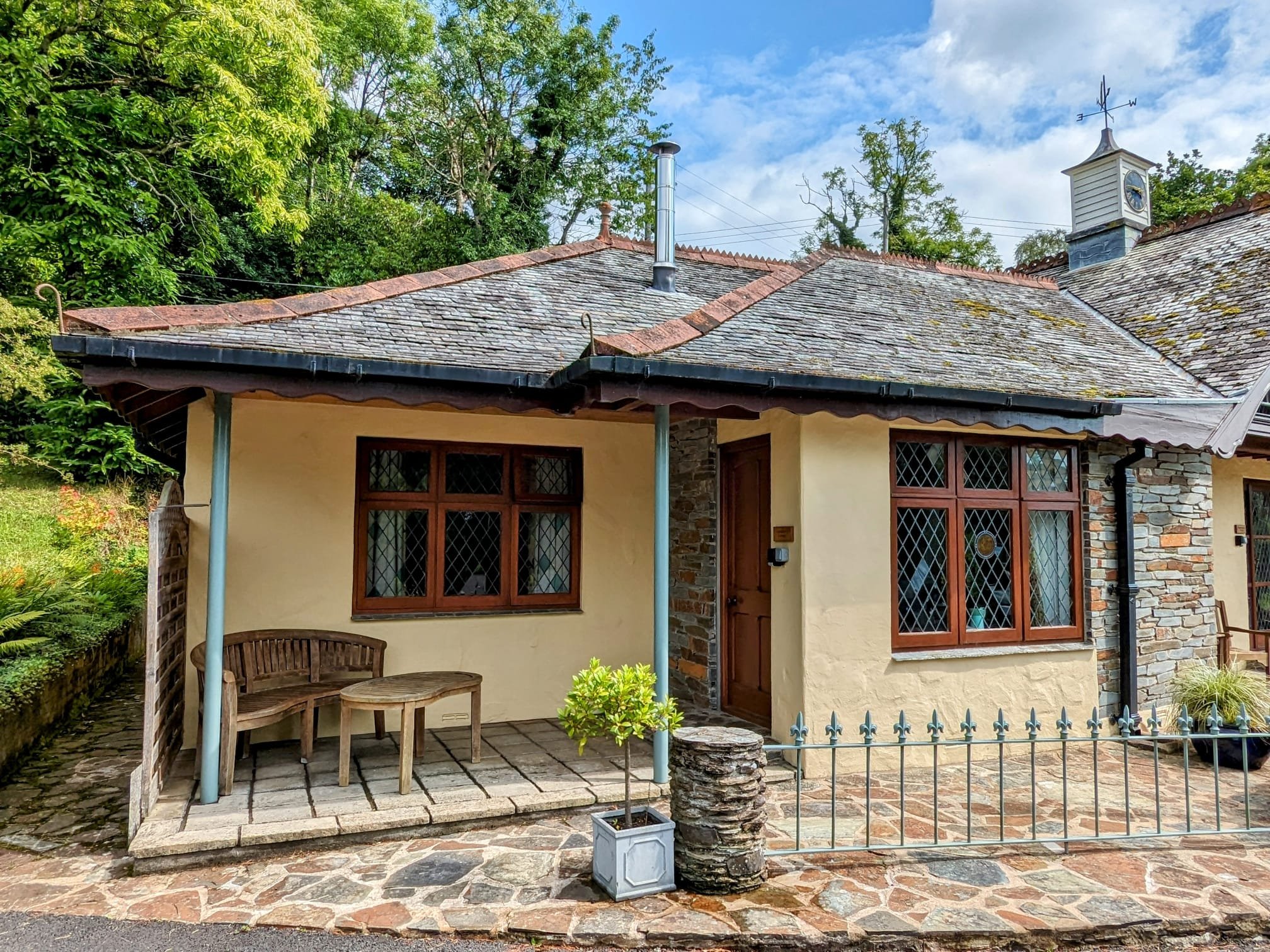
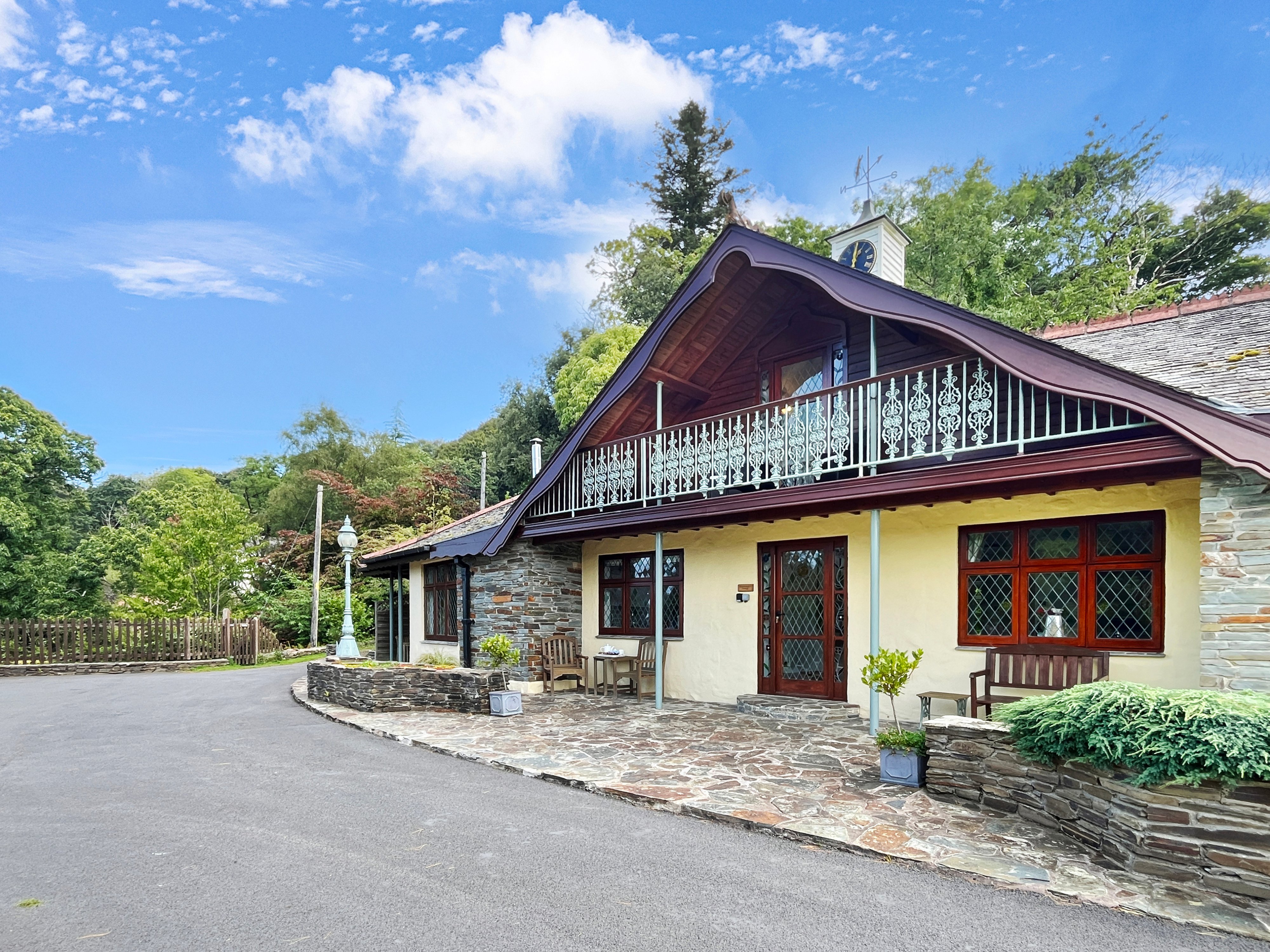


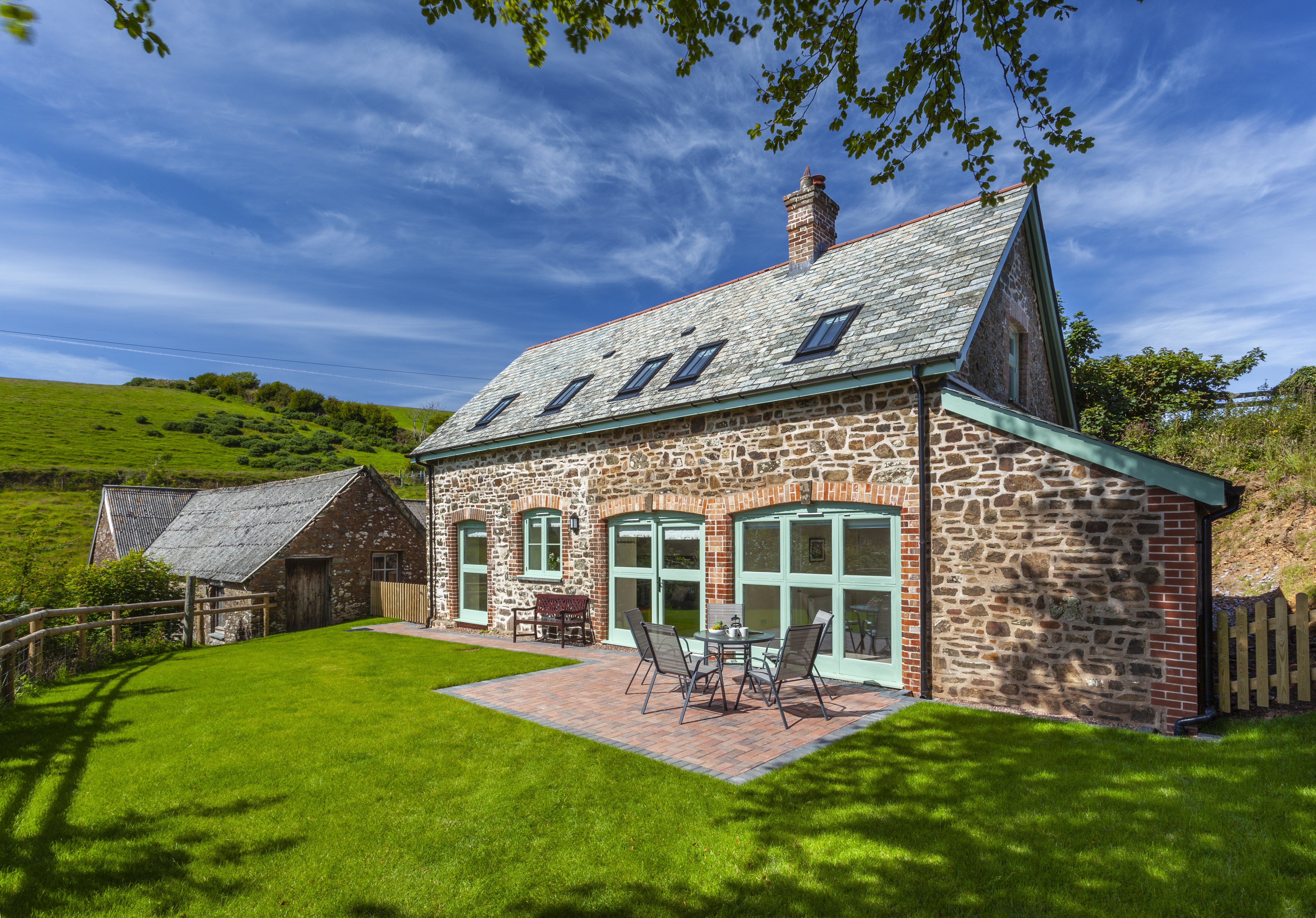
1-20 of 20 cottages
A Victorian resort high above the sea
Lynton stands on the cliffs of the North Devon coast, high on the western edge of Exmoor, with the harbour village of Lynmouth lying some seven hundred feet below at the meeting of the West Lyn and East Lyn rivers. The two settlements look out across the Bristol Channel towards the Welsh coast, and the steep wooded combes that frame them earned the place its old nickname, Little Switzerland, after the poet Robert Southey remarked on something Alpine in the scenery.
Most of what you see in the town went up in the latter part of the nineteenth century and the early twentieth, when Lynton grew from a quiet upland parish into a Victorian resort. Much of that growth was paid for by Sir George Newnes, the publisher and Member of Parliament, who gave the town its half-timbered Town Hall in 1900 and helped finance the cliff railway that still runs today. His name keeps surfacing as you walk around.
Our self-catering holiday cottages in and around Lynton range from easy-access boltholes for two in the town itself to larger, dog-friendly houses in the lanes and combes beyond, where families and groups of friends can spread out within reach of the coast path. Several sit within walking distance of the North Walk and the Valley of the Rocks, and many of them welcome dogs, which matters in a place where the best of the walking begins at the door.
The Lynton & Lynmouth Cliff Railway
The cliff railway opened on Easter Monday in 1890 and has carried passengers between the two villages ever since. It is a water-powered funicular: a tank slung beneath the top car is filled until that car grows heavy enough to descend, drawing the lower car up the cliff as it sinks, the driver letting water out at the bottom to balance the load. The two cars run on a track of around eight hundred and sixty feet, climbing some five hundred feet of cliff face on a gradient of roughly one in one and three-quarters. The whole Grade II listed mechanism works on gravity and water alone, without an engine, and it is one of very few fully water-powered railways left anywhere. It is the simplest way down to our holiday cottages in Lynmouth and the harbour below.
Valley of the Rocks
About half a mile west of the town lies the Valley of the Rocks, a dry valley running parallel to the sea that was carved out during the last Ice Age and left high and waterless when the river that made it found another course. Jagged outcrops with names such as Castle Rock and Rugged Jack rise from the bracken-covered slopes, and a herd of feral goats picks its way along the crags above the path. The present herd descends from animals brought down from the Cheviot Hills in Northumberland in 1976. You can reach the valley on foot from Lynton along the level cliff path known as the North Walk, with the sea on one side the whole way.
St Mary’s Church and the Victorian Town
The parish church of St Mary the Virgin keeps a tower that is mainly thirteenth century, though the body of the church was rebuilt in 1741 and again between 1891 and 1905, the later work finished with honey-coloured stone from Ham Hill. Around it, Lee Road carries the main run of the town, lined with independent shops, tea rooms, art galleries and the Lyn Valley Art & Craft Centre, which occupies a converted Methodist chapel close to Newnes’s Town Hall. It is a town made for browsing slowly, an hour drifting between the bookshop and the gallery before the light goes off the sea.
The 1952 Flood and Lynmouth Below
On the night of 15 August 1952 a tropical-strength storm dropped some nine inches of rain on already sodden Exmoor in a single day. Debris dammed the upper West Lyn, then gave way, and a wall of water and timber tore down through Lynmouth, destroying more than a hundred buildings and most of the village’s bridges, and taking thirty-four lives. The Flood Memorial Hall on Riverside Road, opened in 1958 on the site of the lost lifeboat station, tells the story of that night. Down on the harbour, the little Rhenish Tower, first built in 1860 to store sea water for indoor baths, still marks the quay.
Walks to Watersmeet and Hollerday Hill
The classic walk from Lynmouth follows the East Lyn up a deep, oak-shaded gorge to Watersmeet, where Hoaroak Water tumbles in over rock to join the river. Watersmeet House, built as a fishing lodge in 1832 and now a National Trust tea garden, sits roughly two miles upstream and serves as the start of some forty miles of woodland and riverside paths. Closer to home, the wooded slopes of Hollerday Hill rise straight behind Lynton, with paths to viewpoints over the rooftops and the sea.
Coast Path and Two Moors Way
Several long-distance routes meet at Lynton and Lynmouth. The South West Coast Path runs along the clifftops in both directions, the Coleridge Way arrives from the Quantocks, and the Two Moors Way reaches its northern end here after more than a hundred miles up from Dartmoor. Whether you want a gentle level stroll to the goats or a full day on the high cliffs towards Countisbury and County Gate, there is walking enough for a week.
Eating and Drinking
In the centre of Lynton, the Crown on Market Street is a former coaching house dating from the 1760s, now a village pub and restaurant serving cask ales and a roast on Sundays. Beside the quay at Lynmouth, the Rising Sun is a fourteenth-century thatched inn with low beams and sloping floors, known for locally sourced food and a row of real ales. Between the two villages a handful of cafes and small kitchens keep going for walkers coming off the cliffs.
Getting Here and Around
Lynton sits on the A39, the Atlantic Highway, roughly seventeen miles from Barnstaple and eighteen from Minehead, with Porlock away to the east below Porlock Hill, reckoned the steepest A-road in England. The A39 itself comes into Lynmouth down Countisbury Hill, steepening to about one in four near the foot, while the older road between the two villages, now the B3234 known as Lynmouth Hill, climbs at around one in three. Caravans and heavier vehicles are steered onto the gentler routes. Once you have parked, the town, the cliff railway and the Valley of the Rocks are all within an easy walk, and the harbour and river path at Lynmouth lie a short ride below.
Lynton makes a good base for the western moor and coast, and many of our cottages here welcome dogs. When you are ready to look further afield, browse our dog-friendly Exmoor cottages or our wider collection of Exmoor cottages to find the right place for your stay.
 Clear selected dates

Porlock Weir
Somerset TA24 8PA
Companies registration number 09032448
